
Stroke Survivor Regained Her Independence With a $1,299 Scooter — Franky's Full Story
The day Franky Williams had her stroke started like any other Tuesday morning. She was making coffee, thinking about the garden she wanted to plant that spring, when suddenly the right side of her body went numb. Within hours, the 64-year-old retired schoolteacher from Phoenix, Arizona found herself in the ICU, wondering if life as she knew it was over.
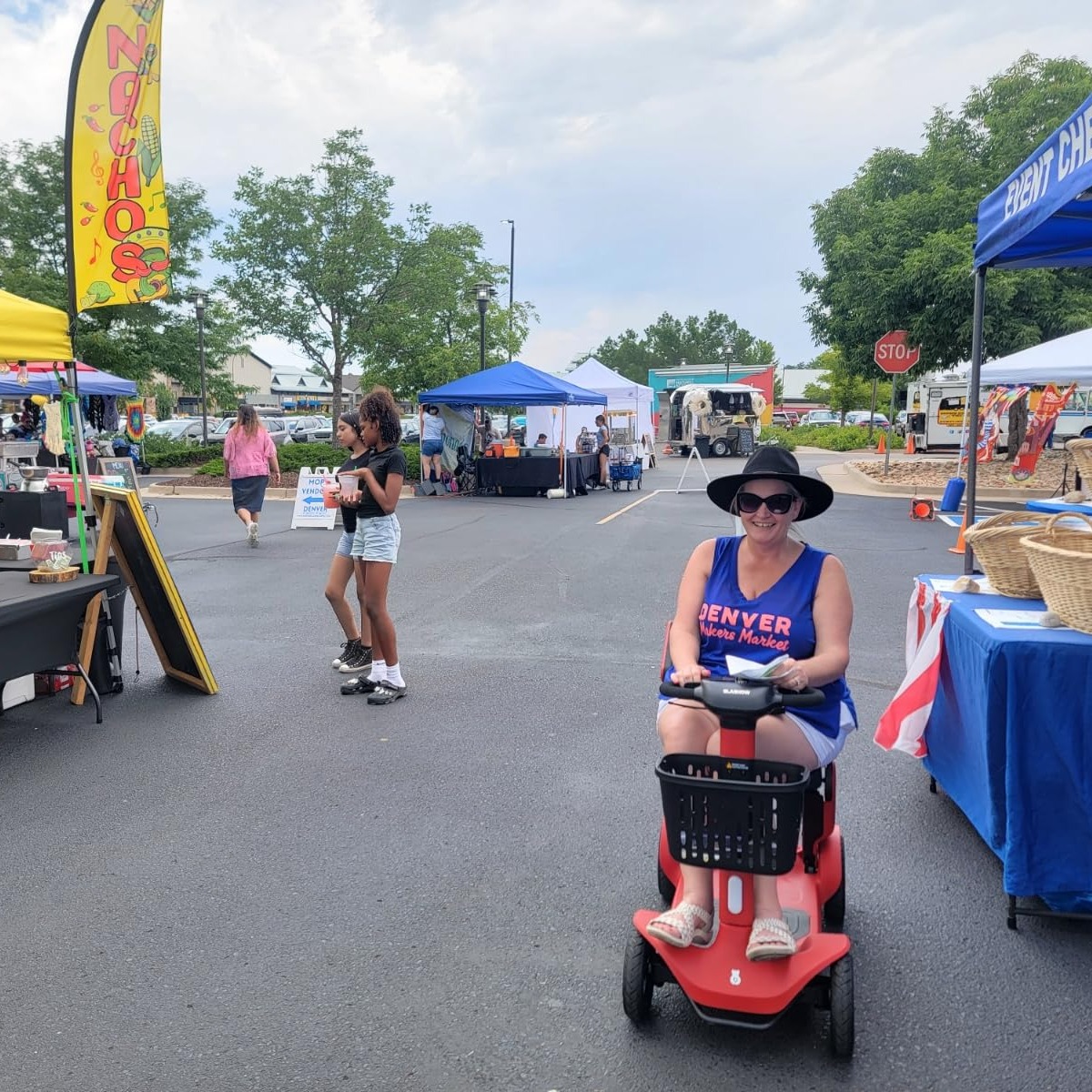
That was eighteen months ago. Today, Franky zips around her neighborhood, visits her grandchildren without assistance, and even made it to her local farmers market last Saturday — something she thought she'd never do again. The difference? A lightweight mobility scooter that cost less than her monthly car payment used to be.
This is her story, and if you or someone you love is struggling to regain independence after a stroke, it might just change everything you thought you knew about recovery.
The Reality of Life After Stroke: What Nobody Prepares You For
When Franky was discharged from the rehabilitation center three weeks after her stroke, she felt cautiously optimistic. The doctors told her she'd made remarkable progress. She could walk with a cane. Her speech was coming back. Things were looking up.
But nobody prepared her for what came next.
"The fatigue was something else entirely," Franky recalls. "I could walk maybe fifty feet before I needed to sit down. Going to the grocery store? Forget about it. I'd be exhausted for two days afterward. My world shrunk down to my living room and my bedroom."
According to the American Stroke Association, approximately 80% of stroke survivors experience some form of mobility limitation after their stroke. What's less discussed is the psychological toll this takes. Franky, who had always been fiercely independent — the woman who raised three kids on her own while teaching fifth grade — suddenly couldn't even make it to her mailbox without help.
"I felt like I'd aged thirty years overnight," she says. "My daughter wanted me to move in with her, but I wasn't ready to give up my home, my independence, my life. I just needed to figure out how to live it differently."
The Search for the Right Mobility Solution
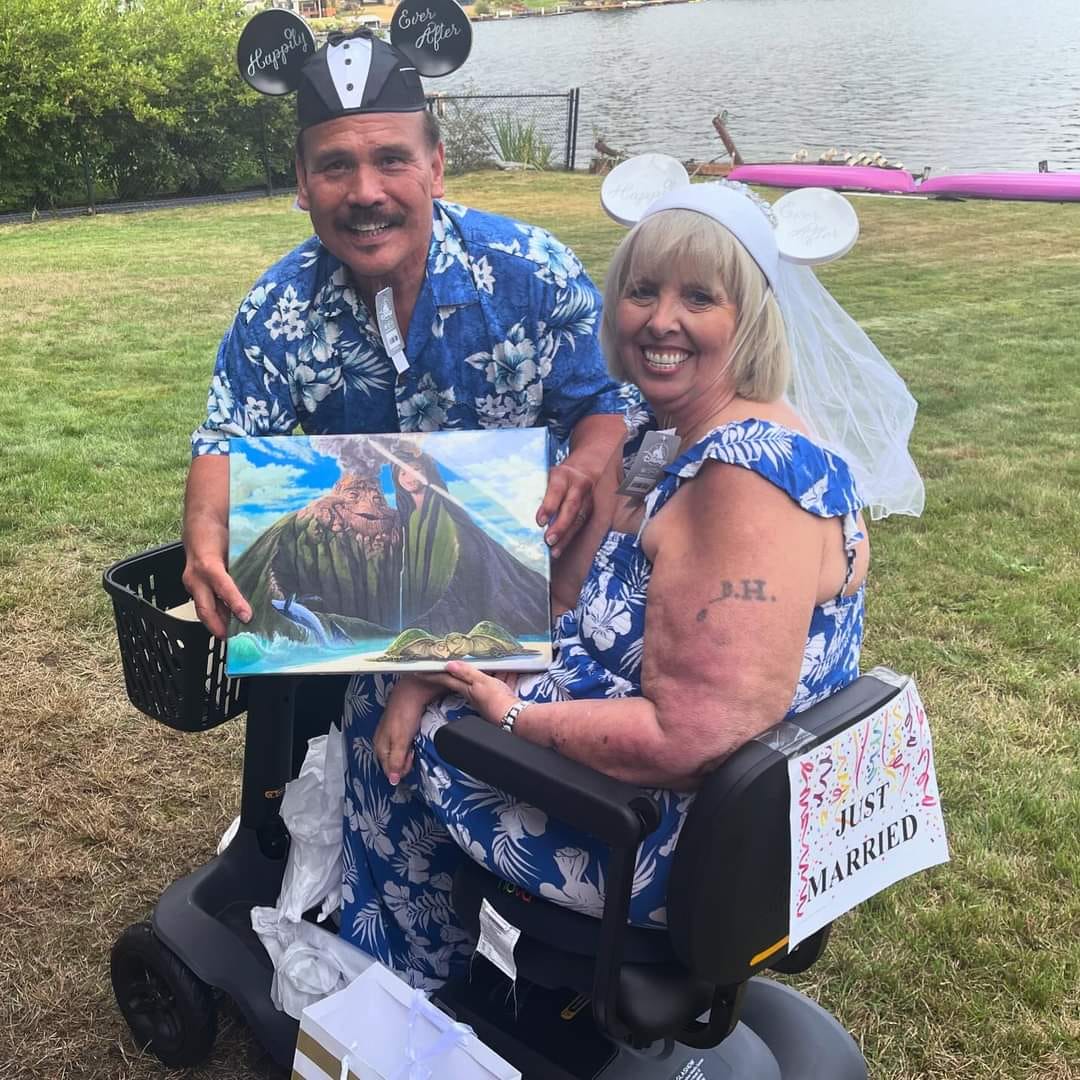
Franky's physical therapist first suggested a mobility scooter about four months into her recovery. Initially, she resisted the idea.
"I thought scooters were for people who had given up," she admits now, laughing at her former self. "I had this image in my head of those heavy, clunky things you see at theme parks. I thought using one meant admitting defeat."
But as the months passed and her stamina showed little improvement beyond a certain point, Franky started doing research. What she found surprised her.
Modern mobility scooters had evolved dramatically. They were lightweight. Some could fold up small enough to fit in a car trunk. And increasingly, stroke survivors weren't just using them — they were thriving with them.
The challenge was finding the right one. Franky spent weeks reading reviews, comparing models, and visiting local medical supply stores. She had specific requirements:
- It needed to be light enough that she could manage it with her weakened right side
- It had to fit in her compact SUV
- The controls needed to be simple — her fine motor skills were still recovering
- It had to have enough range to actually be useful, not just a glorified wheelchair
- And honestly? It needed to not look like medical equipment
"I test-drove probably six or seven different scooters," Franky says. "Most of them were either too heavy, too complicated, or looked like something from a hospital. Then I found Glashow."
Why the Glashow S3 Changed Everything for Franky
The Glashow S3 caught Franky's attention for several reasons. At just 70.48 pounds with a lithium battery, it was significantly lighter than most competitors. It folded up in seconds. And with a 25-mile range, it could actually take her places.
"The first time I took it out, I cried," Franky admits. "I hadn't been to the park near my house in almost a year. I used to walk there every morning before my stroke. And suddenly, there I was again, watching the ducks, feeling the sun on my face. It sounds small, but it was everything."
What made the S3 particularly suitable for Franky's needs as a stroke survivor was the intuitive control system. Even with her right-side weakness, she found the steering manageable. The scooter's stability gave her confidence she hadn't felt since before her stroke.
| Feature | Glashow S3 | Glashow S1 | Typical Competitor |
|---|---|---|---|
| Weight | 70.48 lbs | 96.9 lbs | 100-150 lbs |
| Price | $1,299 | $899 | $1,500-3,000 |
| Battery Type | Lithium | Lead-Acid | Varies |
| Range | 25 miles | 15 miles | 10-20 miles |
| Folding | Yes (one-click) | Detachable | Varies |
| Frame Warranty | 5 years | 5 years | 1-2 years |
For stroke survivors specifically, the S3's lightweight design is particularly important. Many people recovering from strokes have weakness on one side of their body, making it difficult to maneuver heavy equipment. The S3's manageable weight means it can often be handled independently, which is crucial for maintaining that sense of autonomy.
Eighteen Months Later: A New Chapter
Today, Franky's life looks remarkably different than those dark months immediately following her stroke. She still has limitations — her right side may never fully recover its former strength, and she still fatigues more easily than before. But those limitations no longer define her existence.
"Last month, I took my granddaughter to the zoo," Franky shares, her voice brightening. "We were there for four hours. Four hours! Before my scooter, I couldn't have lasted twenty minutes. She got to show me her favorite animals, and I got to actually be her grandmother again, not just someone she visited out of obligation."
Franky has also become something of an advocate in her local stroke support group. She regularly brings her S3 to meetings, letting other survivors try it out and see what's possible.
"I tell them what someone should have told me: using a mobility aid isn't giving up. It's choosing to live fully with the body you have now. My scooter doesn't replace my legs — it extends them. It lets me do more physical therapy because I'm not exhausted from just getting through the day. It's a tool for independence, not a symbol of defeat."
Frequently Asked Questions
Is a mobility scooter appropriate for stroke survivors?
Absolutely. Many stroke survivors find mobility scooters invaluable for maintaining independence, especially when fatigue is a limiting factor. The key is choosing a model with intuitive controls that can be managed despite any weakness on one side of the body. Always consult with your physical therapist or doctor to ensure a mobility scooter is appropriate for your specific situation and recovery stage.
How does Glashow's 30-day money-back guarantee work?
Glashow offers a complete 30-day money-back guarantee on their scooters. If for any reason the scooter doesn't meet your needs, you can return it within 30 days for a full refund. This is particularly valuable for stroke survivors who want to ensure the scooter works with their specific mobility limitations before committing.
Can someone with one-sided weakness operate the Glashow S3?
Many users with hemiparesis (one-sided weakness) successfully operate the S3. The controls are designed to be intuitive, and the scooter's stability provides confidence for those who may have balance issues. However, individual capabilities vary, so it's recommended to consult with your healthcare team about your specific situation.
What makes the lithium battery in the S3 better than lead-acid batteries?
Lithium batteries offer several advantages: they're significantly lighter, charge faster, last longer, and provide more consistent power throughout their discharge cycle. For stroke survivors who may have lifting limitations, the reduced weight of a lithium battery system can make a meaningful difference in daily usability.
Does insurance cover mobility scooters for stroke survivors?
Coverage varies widely depending on your insurance plan. Some Medicare plans cover mobility scooters when deemed medically necessary, though the process can be lengthy. Many stroke survivors choose to purchase directly and appreciate Glashow's Klarna financing option, which offers 0% APR, making the investment more manageable without waiting for insurance approval.
Your Independence Is Worth Fighting For
Franky's story isn't unique. Across America, stroke survivors are discovering that mobility scooters can be the bridge between the life they lost and the life they can build. The Glashow S3 has helped countless people reclaim their independence, their dignity, and their joy.
If you're considering whether a mobility scooter might be right for you or someone you love, remember Franky's words: it's not about giving up. It's about choosing to live fully, right now, with the body you have.
Glashow makes that choice easier with free shipping anywhere in the United States, a 5-year frame warranty for peace of mind, and 0% APR financing through Klarna so you can start living again today without financial stress. The 30-day money-back guarantee means there's no risk in trying.
Because everyone deserves to watch the ducks at the park. Everyone deserves to take their granddaughter to the zoo. Everyone deserves independence.
Your next chapter is waiting.