
Stroke Recovery and Mobility Scooters: Regaining Independence After a Life-Changing Event
If you or someone you love is recovering from a stroke, you already know that the journey back to normalcy isn't a straight line. It's filled with small victories, challenging days, and moments where independence feels just out of reach. That's where a mobility scooter for stroke recovery can become a genuine game-changer—giving survivors the freedom to move through their world on their own terms again.
Here at Glashow, we've heard countless stories from stroke survivors who thought their days of shopping trips, neighborhood walks, and spontaneous outings were behind them. The truth is, with the right mobility solution, those moments don't have to disappear. They just look a little different now.
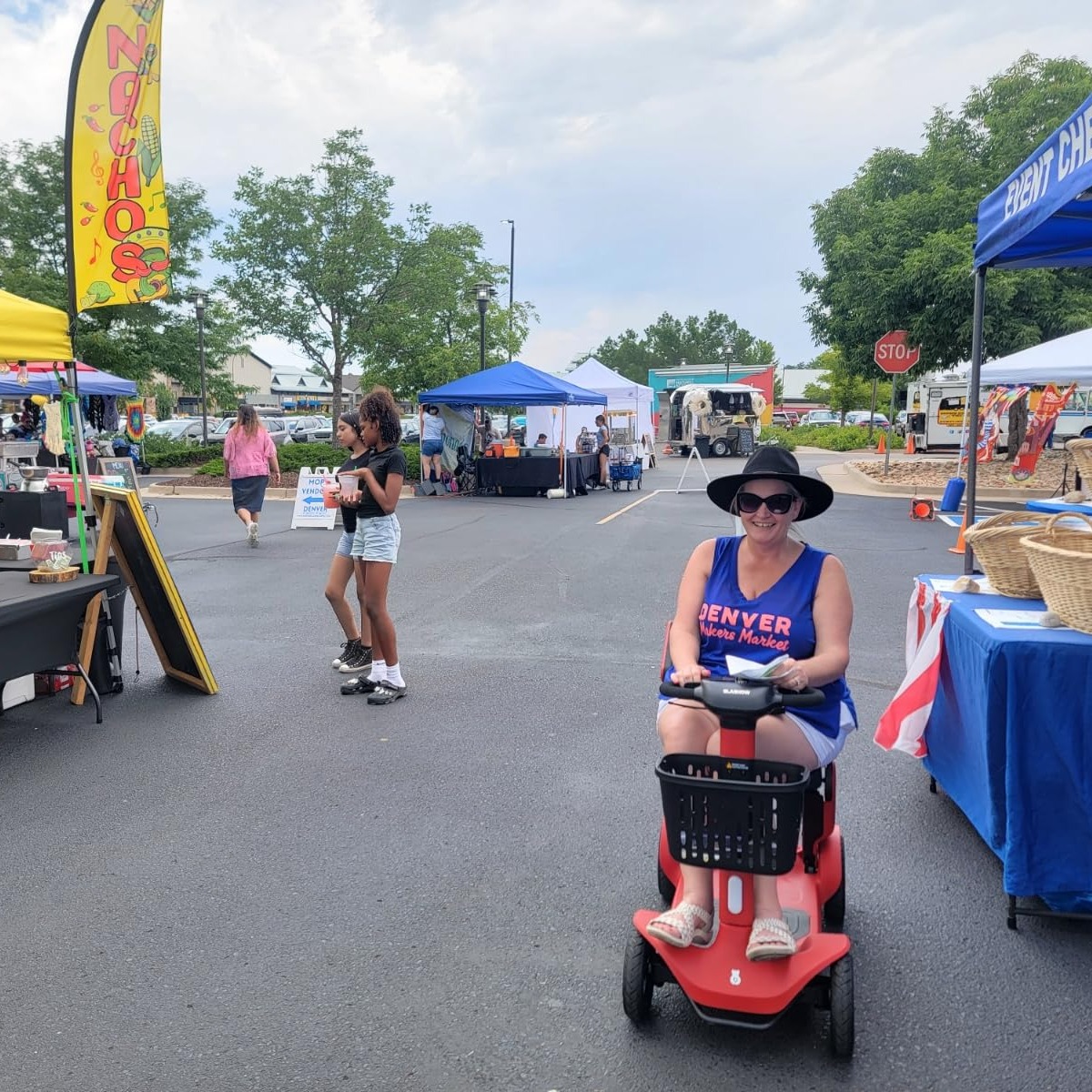
Understanding How Stroke Affects Mobility
A stroke occurs when blood flow to the brain is interrupted, and the effects can vary dramatically from person to person. Some survivors experience weakness or paralysis on one side of their body (hemiplegia), while others deal with balance issues, fatigue, or difficulty coordinating their movements. According to the American Stroke Association, approximately 80% of stroke survivors experience some form of mobility impairment.
For many folks, walking long distances becomes exhausting or unsafe. Tasks that once felt automatic—like navigating a grocery store or visiting a friend's home—suddenly require careful planning and significant energy. This is where mobility scooters step in, not as a sign of giving up, but as a smart tool for conserving energy and staying active in daily life.
Physical therapists often encourage stroke survivors to continue moving and engaging with their communities. A mobility scooter doesn't replace rehabilitation exercises or walking when it's safe to do so. Instead, it serves as a bridge—allowing survivors to participate in life while their bodies continue healing.
Why Mobility Scooters Support Stroke Recovery Goals
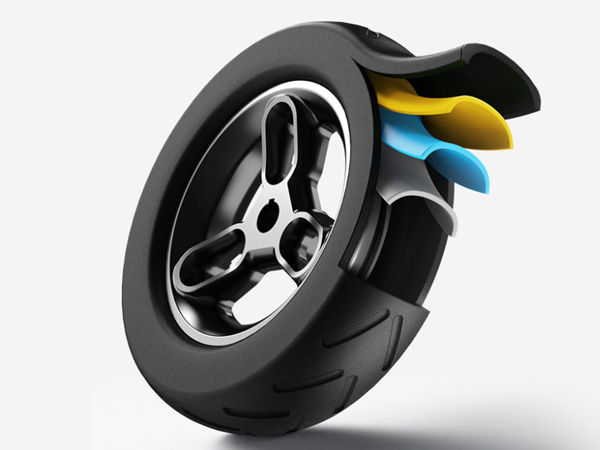
Recovery after a stroke isn't just physical. There's an emotional and psychological component that's equally important. When someone loses the ability to move freely, it can lead to isolation, depression, and a diminished sense of self-worth. Research published in the Journal of Rehabilitation Medicine shows that maintaining social connections and community involvement significantly improves outcomes for stroke survivors.
A mobility scooter addresses several key recovery needs:
- Energy Conservation: Stroke survivors often deal with post-stroke fatigue, a overwhelming tiredness that doesn't improve with rest. Using a scooter for longer distances means saving energy for the activities and exercises that matter most.
- Safety and Fall Prevention: Balance issues and one-sided weakness increase fall risk significantly. A stable mobility scooter provides a secure way to get around without the constant worry of stumbling.
- Independence and Dignity: Being able to go places without relying on a caregiver for every outing restores a sense of autonomy that's crucial for emotional well-being.
- Social Engagement: When getting out isn't an ordeal, survivors are more likely to visit friends, attend community events, and maintain the social connections that support mental health.
- Caregiver Relief: Family members and caregivers need breaks too. A mobility scooter allows the survivor to handle some outings independently, giving everyone a bit more breathing room.
Choosing the Right Mobility Scooter for Stroke Survivors
Not every mobility scooter works well for stroke recovery. The specific challenges that stroke survivors face—like one-handed operation needs, getting in and out of the scooter safely, and transportation logistics—require thoughtful consideration when choosing a model.
Here's what to look for:
Easy Controls: Many scooters feature finger-controlled throttles that can be operated with minimal hand strength. Look for intuitive controls that don't require complex coordination.
Stable Design: Four-wheel scooters generally offer more stability than three-wheel models, which is important for survivors dealing with balance issues.
Comfortable Seating: A supportive, adjustable seat helps maintain good posture and reduces fatigue during use. Armrests that flip up make transfers easier.
Portability: Unless you have a dedicated vehicle with a lift, you'll need a scooter that breaks down or folds for transport. Lighter weight makes a real difference for caregivers handling the loading and unloading.
Range: Consider how far you'll typically travel. Running out of battery mid-trip adds stress nobody needs.
Comparing Glashow Models for Stroke Recovery Needs
At Glashow, we've designed our scooters with real-life mobility challenges in mind. Both our S1 and S3 models offer features that stroke survivors find genuinely helpful. Here's how they compare:
| Feature | Glashow S1 | Glashow S3 |
|---|---|---|
| Price | $899 | $1,299 |
| Weight | 96.9 lbs | 70.48 lbs |
| Battery Type | Lead-Acid | Lithium |
| Portability | Detachable (breaks into pieces) | Foldable (one-piece folding) |
| Range | Up to 15 miles | Up to 25 miles |
| Best For | Budget-conscious buyers with help loading | Maximum independence and easy transport |
| Warranty | 5-Year Frame Warranty | 5-Year Frame Warranty |
The Glashow S1 is an excellent entry point for families watching their budget. Its detachable design means the heaviest piece is manageable, though you will need to reassemble it each time you transport it.
For stroke survivors who prioritize maximum independence, the Glashow S3 is often the better choice. At just over 70 pounds and with a simple folding mechanism, it's much easier for caregivers—or even survivors with good upper body strength on their unaffected side—to handle. The 25-mile range also means fewer worries about running low on power during longer outings.
Real Talk: What Stroke Survivors Should Consider
Before purchasing any mobility scooter, we always recommend consulting with your physical therapist or rehabilitation team. They understand your specific limitations and can offer guidance on whether a scooter fits into your overall recovery plan.
Some questions to discuss with your care team:
- Is my vision and cognitive function adequate for safe scooter operation?
- Can I transfer on and off the scooter safely?
- Will using a scooter for certain tasks interfere with my walking goals?
- What environments will I primarily use the scooter in?
These conversations help ensure that a mobility scooter serves your recovery rather than becoming a barrier to progress.
Frequently Asked Questions About Mobility Scooters and Stroke Recovery
Can stroke survivors with one-sided weakness operate a mobility scooter?
Yes, many stroke survivors with hemiplegia successfully operate mobility scooters. Most scooters, including Glashow models, feature a throttle control that can be operated with one hand. The key is ensuring you have adequate vision, cognitive function, and reaction time for safe operation. Your physical therapist can help assess your readiness.
Will using a mobility scooter prevent me from regaining my walking ability?
Not at all. A mobility scooter is a tool, not a replacement for walking. Many stroke survivors use scooters for longer distances or when fatigue sets in, while continuing to walk shorter distances and participate in physical therapy. Think of it as complementing your recovery, not competing with it.
How soon after a stroke can someone start using a mobility scooter?
This varies significantly based on individual recovery. Some survivors may be ready within weeks, while others need several months of rehabilitation first. Your medical team will help determine when you have the physical and cognitive abilities needed for safe operation. There's no universal timeline—it's all about your personal progress.
Does Medicare or insurance cover mobility scooters for stroke survivors?
Medicare Part B may cover mobility scooters if deemed medically necessary and prescribed by a doctor. However, coverage can be complex and often comes with restrictions. We recommend checking with your insurance provider directly. Glashow also offers Klarna financing with 0% APR, making our scooters accessible regardless of insurance coverage.
What if the mobility scooter doesn't work out for my situation?
We understand that stroke recovery is unpredictable, and what seems like a good solution might not work perfectly for everyone. That's why Glashow offers a 30-day money-back guarantee. You can try our scooters in your real life—not just a showroom—and return it if it's not right for you.
Taking the Next Step Toward Independence
Recovering from a stroke takes courage, patience, and the right tools. A mobility scooter won't undo what happened, but it can help you reclaim the parts of life that matter most—visiting grandchildren, enjoying farmers' markets, or simply getting fresh air without exhaustion.
At Glashow, we're proud to have been featured in USA Today as a trusted American mobility brand. Every scooter we sell comes with our 5-year frame warranty and free shipping anywhere in the United States. We stand behind our products because we know what they mean to the people who use them.
Ready to explore your options? Take a look at the Glashow S1 or the Glashow S3 and see which fits your recovery journey. With Klarna's 0% APR financing available at checkout, you can get moving now and pay over time—no interest, no stress. And remember, our 30-day money-back guarantee means you can try it with complete peace of mind.
Your independence is worth fighting for. We're here to help you get there.