

Mobility Scooter Safety Tips for Seniors: Your Complete Guide to Confident Riding
Getting a mobility scooter is one of the best decisions you can make for maintaining your independence and enjoying life to the fullest. But like any vehicle, knowing how to operate it safely makes all the difference between a great experience and a stressful one. That's why we've put together these essential mobility scooter safety tips specifically for seniors who want to ride with confidence, whether they're zipping around the neighborhood, shopping at the grocery store, or exploring the local park.
Here at Glashow, we've heard from thousands of customers across America, and safety is always at the top of their minds. Whether you're brand new to mobility scooters or you've been riding for years, these tips will help you stay safe while getting the most out of your newfound freedom.
Getting Started: Know Your Scooter Inside and Out
Before you head out on your first adventure, take some time to really get familiar with your mobility scooter. This isn't just about reading the manual (though that's important too!) — it's about developing a feel for how your scooter responds to your commands.
Start by practicing in a safe, open area like an empty parking lot or your driveway. Get comfortable with the throttle and understand how quickly your scooter accelerates. Most importantly, practice braking until it becomes second nature. You want stopping to be an automatic response, not something you have to think about in an emergency.
Pay attention to your scooter's turning radius. The Glashow S1, for example, has a tight turning radius that makes it excellent for navigating indoor spaces and crowded areas. Understanding how wide you need to swing for turns will prevent you from bumping into obstacles or getting stuck in tight spots.
Here are some key things to practice before venturing out:
- Starting and stopping smoothly without jerking
- Making turns at various speeds
- Reversing in a straight line and while turning
- Navigating around obstacles
- Going up and down small inclines
Essential Pre-Ride Safety Checks
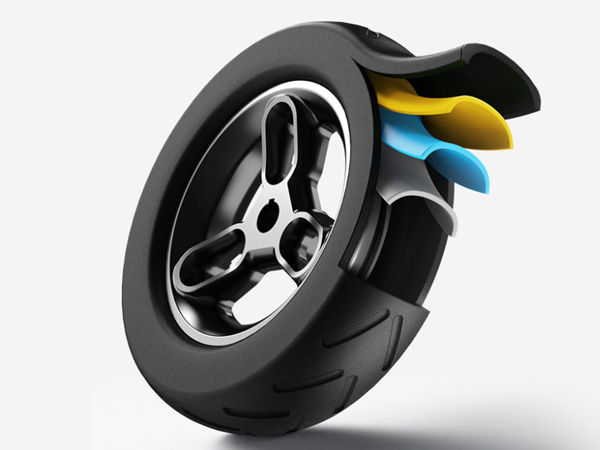
Just like you'd check your car before a road trip, giving your mobility scooter a quick once-over before each ride can prevent problems down the road. This doesn't have to take more than a minute or two, but it could save you from getting stranded or having an accident.
Check your battery level first. There's nothing worse than running out of juice halfway to your destination. If you're planning a longer outing, make sure you have plenty of charge. The Glashow S3 offers an impressive 25-mile range on a single charge, giving you peace of mind for extended trips. But even with that kind of range, it's smart to keep an eye on your battery indicator throughout your journey.
Inspect your tires regularly. Look for signs of wear, check that they're properly inflated (if applicable), and make sure nothing is stuck in the treads. Worn tires can affect your traction and braking ability, especially on wet or uneven surfaces.
Test your lights and signals. If your scooter has headlights, taillights, or turn signals, make sure they're all working properly. This is especially important if you'll be riding in low-light conditions or sharing space with vehicles.
Examine the seat and controls. Make sure your seat is securely attached and positioned comfortably. Check that all controls respond properly and that nothing feels loose or wobbly.
Navigating Different Environments Safely
One of the wonderful things about mobility scooters is their versatility — you can use them in so many different settings. But each environment comes with its own set of challenges and safety considerations.
Indoor Safety Tips
When you're indoors, whether at home, in a store, or at a medical appointment, slower is always better. Keep your speed low and give yourself plenty of room to maneuver. Watch out for wet floors, which can be slippery, and be mindful of other shoppers or pedestrians who might not see you coming.
Pay attention to doorways and narrow aisles. Know your scooter's width and don't try to squeeze through spaces that are too tight. If you're unsure whether you'll fit, it's always better to find another route than to get stuck or damage your scooter.
Outdoor Safety Tips
Outdoors, you'll encounter uneven terrain, curbs, and potentially traffic. Always use curb cuts when available rather than trying to navigate steps or steep curbs. Watch for cracks in sidewalks, loose gravel, and other obstacles that could cause you to lose control.
When crossing streets, make eye contact with drivers when possible and never assume they see you. Cross at designated crosswalks and obey traffic signals. If there's no sidewalk available, travel facing traffic so you can see oncoming vehicles.
Weather Considerations
Weather can significantly impact your safety on a mobility scooter. Rain makes surfaces slippery and can affect visibility. If you must go out in wet conditions, reduce your speed and increase your following distance from obstacles. Avoid puddles when possible — you never know how deep they might be or what's hiding underneath.
In hot weather, protect yourself from the sun and stay hydrated. In cold weather, be extra cautious of ice and frost, which can make surfaces treacherous.
Choosing the Right Scooter for Your Safety Needs
The scooter you choose plays a big role in your overall safety. Different models offer different features, and understanding what's available helps you make the best choice for your lifestyle and needs.
| Feature | Glashow S1 | Glashow S3 |
|---|---|---|
| Price | $899 | $1,299 |
| Weight | 96.9 lbs | 70.48 lbs |
| Battery Type | Lead-Acid | Lithium |
| Design | Detachable | Foldable |
| Range | Standard | 25 miles |
| Frame Warranty | 5 Years | 5 Years |
| Best For | Daily errands, budget-conscious buyers | Travel, longer trips, easy transport |
Both Glashow models come with our industry-leading 5-year frame warranty, so you know you're getting a scooter built to last. The S1's detachable design makes it easy to break down for transport, while the S3's foldable design and lighter weight (thanks to its lithium battery) make it ideal for folks who travel frequently or have limited storage space.
Common Safety Mistakes to Avoid
Even experienced riders sometimes develop habits that can compromise their safety. Here are some common mistakes to watch out for:
Overloading your scooter. Every mobility scooter has a weight capacity, and exceeding it can affect stability, braking, and overall performance. This includes not just your body weight but also any bags, packages, or accessories you're carrying.
Ignoring maintenance. Regular maintenance keeps your scooter running safely. Don't ignore strange sounds, vibrations, or changes in performance. Address issues promptly before they become safety hazards.
Rushing. One of the biggest safety mistakes is simply going too fast for conditions. Whether you're in a hurry to get somewhere or just enjoying the ride, always adjust your speed for the environment you're in.
Not using safety features. If your scooter has lights, reflectors, or a horn, use them! These features exist to keep you visible and help you communicate with others around you.
Frequently Asked Questions About Mobility Scooter Safety
Do I need a license to operate a mobility scooter?
In the United States, mobility scooters are classified as medical devices rather than motor vehicles, so you don't need a driver's license to operate one. However, some states and municipalities may have specific regulations about where you can operate a mobility scooter, so it's worth checking your local laws.
Can I use my mobility scooter in the rain?
While most mobility scooters can handle light rain, it's best to avoid heavy rain or standing water. Wet conditions reduce traction and can affect braking. If you get caught in the rain, slow down significantly and head for shelter. Always dry off your scooter afterward and never charge a wet battery.
How often should I have my mobility scooter serviced?
A professional inspection once a year is a good rule of thumb for most users. However, if you use your scooter daily or notice any changes in performance, more frequent check-ups may be warranted. Regular at-home maintenance like checking tire pressure and battery connections should be done monthly.
What should I do if my mobility scooter breaks down away from home?
Always carry a charged cell phone when you're out on your scooter. If you break down, move to a safe location if possible, then call for assistance. It's also smart to let someone know your planned route and expected return time before heading out on longer trips.
Are mobility scooters safe for people with balance issues?
Absolutely! In fact, mobility scooters are often an excellent choice for people with balance problems because they provide stable, seated transportation. Four-wheel models like the Glashow S1 and S3 offer excellent stability. Just make sure to practice mounting and dismounting safely, and consider models with armrests for additional support.
Ready to Ride with Confidence?
Following these mobility scooter safety tips will help ensure that every ride is a good one. Remember, the goal isn't just to get from point A to point B — it's to do so safely while enjoying your independence and freedom.
At Glashow, we're proud to offer mobility scooters that combine safety, reliability, and quality. Our products have been featured in USA Today, and we stand behind them with a 5-year frame warranty, free shipping anywhere in the United States, and a 30-day money-back guarantee.
Ready to experience the Glashow difference? Explore our S1 and S3 models today. And with Klarna's 0% APR financing available, getting the freedom you deserve has never been easier on your budget. Your next adventure is waiting — let's make sure you're ready for it!