
Parkinson's Disease and Mobility Scooters: A Caregiver's Guide
If you're caring for someone with Parkinson's disease, you already know that every day brings its own set of challenges. The tremors, the stiffness, the fatigue — it can feel overwhelming at times. But here's something that might bring a little hope to your day: a mobility scooter for Parkinson's disease can be an absolute game-changer for both the person you're caring for and yourself.
As a caregiver, you're constantly thinking about safety, independence, and quality of life. You want your loved one to maintain their dignity while staying protected from falls and exhaustion. That's exactly where the right mobility solution comes into play. In this guide, we'll walk through everything you need to know about choosing and using a mobility scooter when Parkinson's is part of your family's journey.
Understanding Parkinson's Disease and Mobility Challenges
Parkinson's disease affects more than one million Americans, and that number continues to grow each year. It's a progressive neurological condition that impacts movement in ways that can make daily activities increasingly difficult over time.
The hallmark symptoms — tremors, bradykinesia (slowness of movement), muscle rigidity, and postural instability — all directly affect a person's ability to walk safely and confidently. Many folks with Parkinson's experience what's called "freezing," where their feet suddenly feel glued to the floor mid-step. Others deal with festinating gait, where they take rapid, shuffling steps that can lead to dangerous falls.
Here's what we often see in the progression of mobility challenges:
- Early stage: Slight tremors and stiffness, usually manageable with medication
- Middle stage: Balance problems become more noticeable, walking distances decrease
- Later stage: Significant mobility limitations, high fall risk, exhaustion from basic movements
The fatigue factor is something that doesn't get talked about enough. Even when someone with Parkinson's can walk, the sheer energy it takes to do so safely can leave them exhausted. This is where mobility scooters become not just helpful, but truly liberating.
Why Mobility Scooters Work Well for Parkinson's Patients
You might be wondering why a scooter specifically, rather than a wheelchair or other mobility aid. Great question! For many people with Parkinson's disease, mobility scooters offer several distinct advantages.
Independence without exhaustion: Walking even short distances can drain all the energy your loved one has for the day. A mobility scooter lets them save that energy for the things that matter — visiting with grandchildren, attending church, or simply enjoying a beautiful day at the park.
Intuitive controls: Unlike power wheelchairs that often require joystick precision, scooters use tiller-style steering that many find more natural and easier to control, even with mild tremors.
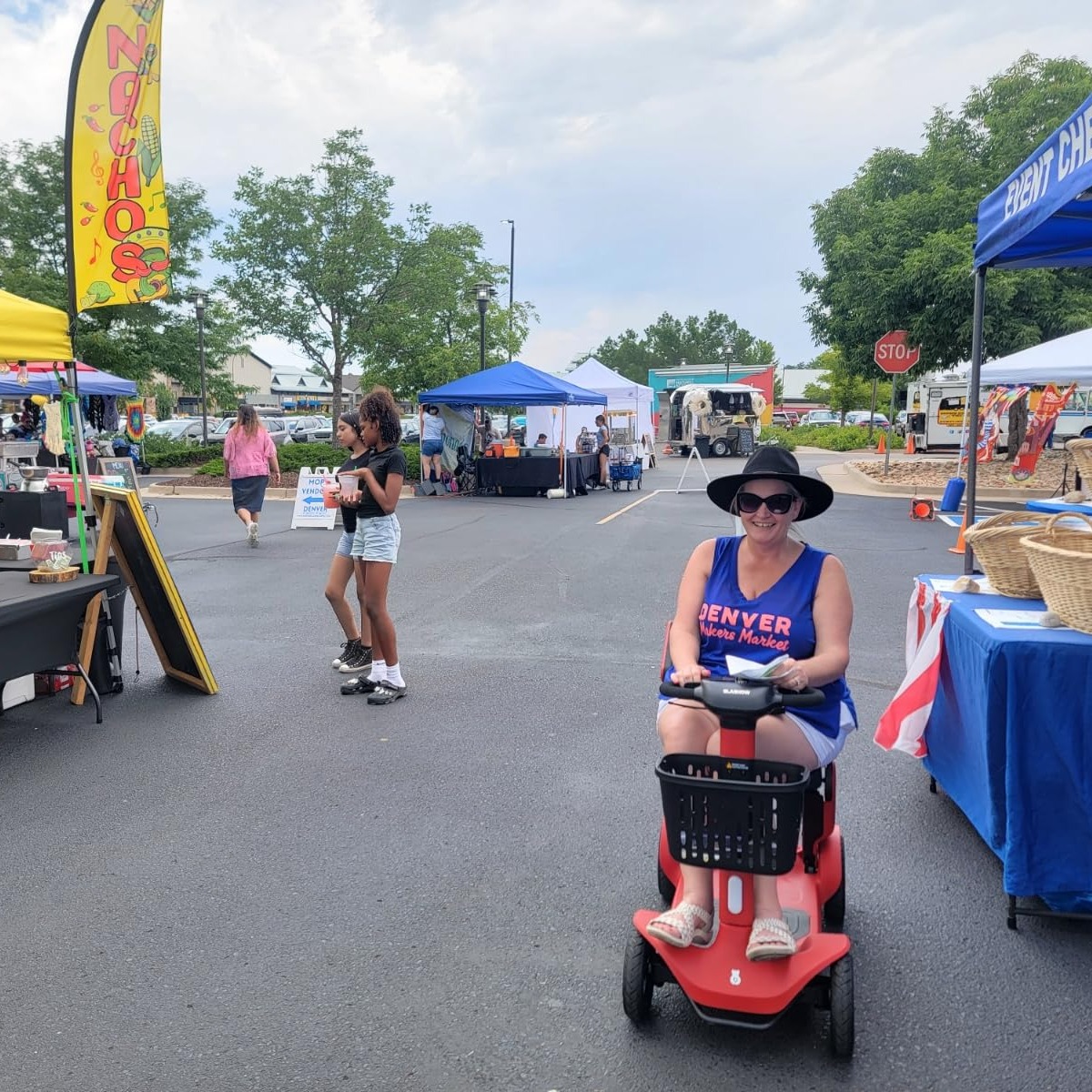
Psychological benefits: There's something about a scooter that feels less "medical" to many users. It looks more like a fun vehicle than a medical device, which can help maintain self-esteem and reduce the stigma some people feel about needing mobility assistance.
Continued participation in life: Whether it's shopping trips, family outings, or just getting to the mailbox, a scooter opens doors that might otherwise stay closed.
Of course, timing matters. A mobility scooter works best when the user still has good cognitive function and upper body control. Your loved one's neurologist or physical therapist can help determine if now is the right time to introduce a scooter into the care plan.
Key Features to Look for in a Parkinson's-Friendly Scooter
Not all mobility scooters are created equal, especially when Parkinson's disease is involved. Here are the features that matter most:
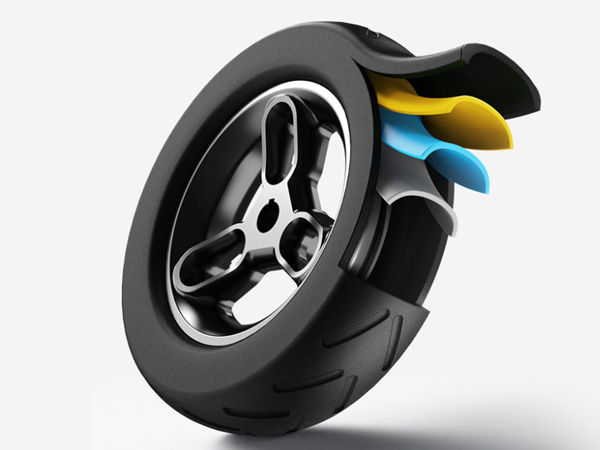
Stability and smooth operation: Look for a scooter with a solid wheelbase and smooth acceleration. Jerky movements can be startling and potentially trigger freezing episodes or falls during mounting and dismounting.
Comfortable, supportive seating: A well-padded, adjustable seat with armrests helps with both comfort and safe transfers. Swivel seats can make getting on and off much easier.
Easy-to-use controls: Simple throttle mechanisms and clear, uncomplicated control panels are essential. When tremors are present, overly sensitive controls can be frustrating.
Portability for caregivers: Let's be honest — you're probably going to be the one loading this thing in and out of the car. Weight and foldability matter enormously for your own health and sanity.
Adequate range: Nothing's worse than running out of battery mid-outing. Make sure the scooter can handle your typical excursions with power to spare.
Comparing Glashow Mobility Scooters for Parkinson's Care
At Glashow, we've designed our scooters with real families in mind — including those navigating Parkinson's disease together. Both our S1 and S3 models offer features that caregivers and users appreciate, but they serve slightly different needs.
| Feature | Glashow S1 | Glashow S3 |
|---|---|---|
| Price | $899 | $1,299 |
| Weight | 96.9 lbs | 70.48 lbs |
| Battery Type | Lead-acid | Lithium |
| Design | Detachable components | Foldable |
| Range | Standard range | Up to 25 miles |
| Best For | Budget-conscious families, local use | Active users, frequent travel |
| Warranty | 5-year frame warranty | 5-year frame warranty |
The Glashow S1 is a wonderful entry point for families just beginning to incorporate a scooter into their care routine. Its detachable design means you can break it down into manageable pieces for transport, and at $899, it's accessible for many budgets.
The Glashow S3 is our premium choice, and honestly, it's a caregiver's dream. At just over 70 pounds and with its one-motion folding design, you can load it yourself without throwing out your back. The lithium battery provides up to 25 miles of range, so longer outings — doctor's appointments across town, visits to family, even vacations — become genuinely possible.
Both models come with our 5-year frame warranty and free shipping anywhere in the continental United States, so you can buy with confidence.
Tips for Caregivers: Making the Transition Smooth
Introducing a mobility scooter isn't always as simple as "here you go!" Especially with Parkinson's disease, where changes in routine can be challenging, a thoughtful approach makes all the difference.
Start slow and steady: Let your loved one practice in a safe, open area first. A empty parking lot or quiet park path is perfect for building confidence without pressure.
Time it with medication: If possible, schedule practice sessions and outings during "on" times when medication is working most effectively and symptoms are best controlled.
Involve the care team: Physical therapists can provide valuable training tips and help assess readiness. Occupational therapists might suggest helpful accessories or modifications.
Keep it positive: Frame the scooter as a tool for freedom, not a sign of decline. "Now we can spend the whole afternoon at the botanical garden!" sounds a lot better than "Since you can't walk anymore..."
Take care of yourself too: Remember, a lighter scooter like the Glashow S3 isn't just convenient — it's protecting your own back and joints. You can't pour from an empty cup.
Frequently Asked Questions
Can someone with Parkinson's disease safely operate a mobility scooter?
In many cases, yes! The key factors are cognitive function, upper body control, and the ability to safely operate the throttle and steering. During early to middle stages of Parkinson's, many individuals operate scooters very successfully. We always recommend consulting with your loved one's neurologist or physical therapist to assess readiness. They can evaluate reaction time, judgment, and motor control to ensure safe operation.
What if tremors make it difficult to control the scooter?
Mild to moderate tremors usually don't prevent safe scooter use because the tiller provides something stable to grip. Many users find that their tremors actually decrease somewhat when they're holding onto something steady. However, if tremors are severe or unpredictable, it's worth discussing with a healthcare provider. Some users find that timing scooter use with their most effective medication periods helps considerably.
Is a mobility scooter covered by Medicare for Parkinson's patients?
Medicare may cover mobility scooters as durable medical equipment (DME) if they're deemed medically necessary. You'll typically need documentation from your doctor explaining why a scooter is required for mobility within the home. The process can be lengthy and approval isn't guaranteed. That's one reason many families choose to purchase directly — and at Glashow, we offer Klarna financing with 0% APR to make that more manageable.
How do I transport a mobility scooter for someone with Parkinson's?
This is where scooter design really matters. Heavier scooters may require vehicle lifts, which can cost $500-$3,000 additional. Lightweight, foldable models like the Glashow S3 at 70.48 pounds can be lifted into most SUVs and minivans without special equipment. The foldable design means it compacts quickly, saving precious trunk space and your energy.
When should we consider transitioning from a scooter to a power wheelchair?
The transition typically becomes necessary when upper body control or cognitive function decline to the point where safe scooter operation isn't possible. Signs might include difficulty steering, slow reaction times, getting confused about controls, or inability to safely transfer on and off the scooter. Your neurologist and physical therapist can help monitor these factors and advise when a different solution might be needed.
You're Not Alone in This Journey
Caring for someone with Parkinson's disease takes patience, love, and a whole lot of problem-solving. A mobility scooter won't cure anything, but it can restore something precious: the ability to participate in life, to go places, to feel the sun on your face at the farmer's market or cheer on the grandkids at their soccer game.
At Glashow, we understand that this purchase is about so much more than wheels and batteries. It's about keeping families connected and helping the people you love maintain their dignity and joy for as long as possible. That's why we stand behind our scooters with a 5-year frame warranty, a 30-day money-back guarantee, and free shipping across the United States.
Ready to explore whether the Glashow S1 or S3 might be right for your family? We're here to answer your questions — no pressure, just neighbors helping neighbors. And with Klarna's 0% APR financing available, you can bring mobility home today and pay over time in a way that fits your budget.
Take a closer look at the Glashow S3 — our most caregiver-friendly option — or explore the budget-friendly S1 to see which scooter fits your family's needs.