
Can You Use a Mobility Scooter at the Grand Canyon?
If you've been dreaming of witnessing one of America's most breathtaking natural wonders, you're probably wondering about mobility scooter Grand Canyon accessibility. The good news? Yes, you absolutely can explore the Grand Canyon with a mobility scooter, and thousands of visitors do exactly that every single year. This iconic destination has made significant strides in ensuring everyone, regardless of mobility challenges, can experience its awe-inspiring beauty.
Whether you're planning your first visit or returning after years away, this comprehensive guide will walk you through everything you need to know about navigating the Grand Canyon with your mobility scooter. From accessible trails and viewpoints to practical tips for making your trip smooth and memorable, we've got you covered.
Understanding Grand Canyon Accessibility for Mobility Scooter Users
The National Park Service has worked hard to make the Grand Canyon accessible to visitors of all abilities. The South Rim, which is the most popular and accessible area of the park, offers numerous paved pathways, accessible viewpoints, and facilities designed with mobility device users in mind.
The Rim Trail, stretching approximately 13 miles along the canyon's edge, features several paved sections that are perfect for mobility scooters. The most accessible portion runs between Mather Point and the South Kaibab Trailhead, offering stunning views without challenging terrain. This section is relatively flat, well-maintained, and wide enough to accommodate scooters comfortably.
Key accessible areas at the South Rim include:
- Mather Point: One of the most popular viewpoints with paved pathways and accessible parking
- Grand Canyon Visitor Center: Fully accessible with ramps, accessible restrooms, and helpful staff
- Yavapai Geology Museum: Accessible building with incredible canyon views
- Desert View Watchtower: Ground floor is accessible with panoramic views
- Hermit Road viewpoints: Many overlooks have accessible paths and parking spaces
The park's free shuttle buses are also equipped with wheelchair lifts and can accommodate mobility scooters, making it easy to travel between viewpoints without draining your scooter's battery.
Choosing the Right Mobility Scooter for Your Grand Canyon Adventure
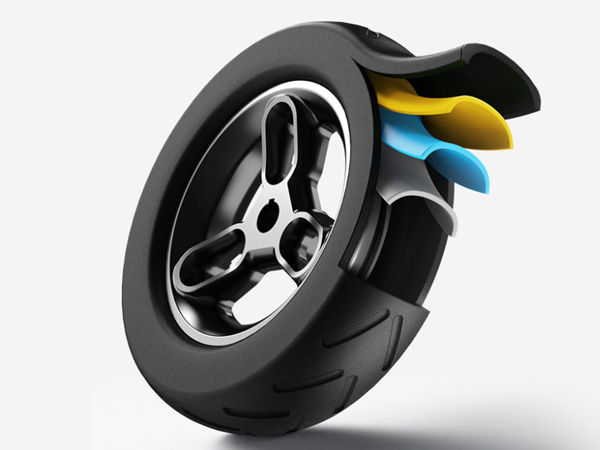
Not all mobility scooters are created equal, and choosing the right one can make or break your Grand Canyon experience. You'll want a scooter that's reliable, has sufficient range, and can handle some variation in terrain while remaining portable enough for travel.
When considering a scooter for national park adventures, pay attention to these factors:
Battery Range: The Grand Canyon is vast, and you'll want to explore multiple viewpoints in a day. A scooter with at least 15-25 miles of range ensures you won't be stranded halfway through your adventure.
Weight and Portability: If you're flying to Arizona or driving a smaller vehicle, you'll need a scooter that's easy to transport. Foldable designs and lighter weights make all the difference.
Stability: While the paved paths are well-maintained, you'll encounter slight inclines and uneven surfaces. Four-wheel scooters generally offer better stability for outdoor use.
Comfort: You'll be spending hours exploring, so a comfortable seat and good suspension matter more than you might think.
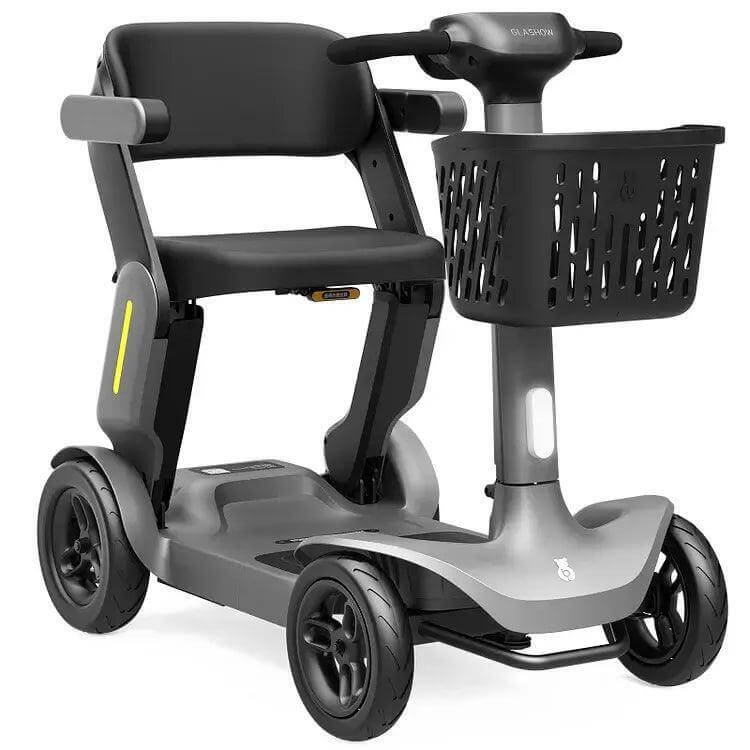
The Glashow S3 is particularly well-suited for Grand Canyon exploration. Its 25-mile range means you can explore all day without battery anxiety, and at just 70.48 pounds with its lithium battery, it's lightweight enough to travel with easily. The foldable design fits perfectly in car trunks or can be checked as luggage for those flying into Phoenix or Las Vegas.
| Feature | Glashow S1 | Glashow S3 |
|---|---|---|
| Price | $899 | $1,299 |
| Weight | 96.9 lbs | 70.48 lbs |
| Battery Type | Lead-Acid | Lithium |
| Range | Up to 15 miles | Up to 25 miles |
| Design | Detachable | Foldable |
| Best For | Budget-conscious travelers | Extended exploration |
| Warranty | 5-Year Frame | 5-Year Frame |
For those on a tighter budget, the Glashow S1 at $899 offers excellent value with its detachable design and reliable lead-acid battery. While it's a bit heavier at 96.9 pounds, it breaks down into manageable pieces for transport.
Practical Tips for Visiting the Grand Canyon with a Mobility Scooter
Planning ahead will help ensure your Grand Canyon trip goes smoothly. Here are some insider tips from experienced mobility scooter users who've explored this magnificent park:
Arrive Early: The Grand Canyon gets crowded, especially during summer months and holidays. Arriving before 9 AM gives you better parking access, cooler temperatures, and fewer crowds on the trails.
Charge Overnight: Make sure your scooter battery is fully charged before each day of exploration. Most hotels and lodges in the area have standard outlets where you can charge overnight.
Bring Sun Protection: The Arizona sun is intense, especially at 7,000 feet elevation. Pack sunscreen, a hat, and consider a small umbrella that attaches to your scooter.
Stay Hydrated: The high desert climate is deceptively dry. Bring plenty of water and drink regularly, even if you don't feel thirsty.
Check Weather Conditions: Summer monsoons can bring sudden storms, and winter can bring snow to the South Rim. Check forecasts and plan accordingly.
Reserve Accessible Accommodations: If staying overnight, book accessible rooms at park lodges well in advance. Bright Angel Lodge and El Tovar both offer accessible options with stunning canyon proximity.
Download Offline Maps: Cell service can be spotty in the park. Download the NPS app and offline maps before you arrive.
What to Expect During Your Visit
The Grand Canyon experience on a mobility scooter is genuinely wonderful. You'll roll along smooth pathways with the vast canyon stretching before you, stopping at viewpoints to take photos and simply absorb the incredible scenery. Rangers and fellow visitors are generally helpful and respectful of those using mobility devices.
Most accessible viewpoints have low walls or railings that allow unobstructed views from a seated position. Sunrise and sunset are magical times to be at the canyon rim, with colors shifting across the rock layers in ways that photographs simply can't capture.
The park's accessibility office can provide up-to-date information about trail conditions, temporary closures, and additional resources. Don't hesitate to reach out before your trip or stop by the visitor center upon arrival.
Frequently Asked Questions About Mobility Scooters at the Grand Canyon
Can I rent a mobility scooter at the Grand Canyon?
The Grand Canyon National Park does not offer mobility scooter rentals directly. However, several medical equipment companies in Flagstaff and Williams, Arizona, offer rentals that can be delivered to your hotel or the park entrance. Many visitors find it more convenient and cost-effective to bring their own scooter, especially if they travel frequently. Glashow scooters come with free US shipping, a 5-year frame warranty, and a 30-day money-back guarantee, making them an excellent investment for future adventures.
Are all areas of the Grand Canyon accessible by mobility scooter?
Not all areas are accessible. The paved portions of the Rim Trail and most developed viewpoints on the South Rim are scooter-friendly. However, trails that descend into the canyon, like Bright Angel Trail and South Kaibab Trail, are not accessible to mobility scooters. The North Rim has more limited accessibility due to its remote location and fewer developed facilities. Always check current accessibility information before planning your route.
What is the best time of year to visit the Grand Canyon with a mobility scooter?
Spring (April-May) and fall (September-October) offer the most comfortable conditions for mobility scooter users. Temperatures are moderate, crowds are smaller than summer, and pathways are clear of winter snow and ice. Summer can be extremely hot, while winter may bring snow that makes paved paths temporarily inaccessible. If you visit during shoulder seasons, you'll enjoy pleasant weather and a more relaxed experience.
How do I transport my mobility scooter to the Grand Canyon?
If driving, most mobility scooters fit in car trunks or SUV cargo areas, especially foldable models like the Glashow S3. For air travel, you can check your scooter as medical equipment with most airlines at no extra charge. The Grand Canyon is about 80 miles north of Flagstaff and roughly 230 miles from Phoenix, making it accessible by car from major Arizona airports. Las Vegas is another popular starting point, approximately 275 miles away.
Are there accessible restrooms and facilities throughout the Grand Canyon?
Yes, accessible restrooms are available at all major developed areas on the South Rim, including the Grand Canyon Visitor Center, Yavapai Geology Museum, Market Plaza, and various viewpoints along Hermit Road. The park also offers accessible picnic areas, and most restaurants and gift shops in Grand Canyon Village are wheelchair and scooter accessible. Park rangers recommend carrying a small emergency kit with essentials, as some viewpoints are located away from facilities.
Make Your Grand Canyon Dream a Reality
The Grand Canyon belongs to everyone, and having mobility challenges shouldn't keep you from experiencing one of the world's greatest natural wonders. With proper planning and the right equipment, you can create memories that will last a lifetime.
If you're in the market for a reliable mobility scooter that can handle national park adventures and everyday life alike, consider the Glashow S1 or S3. Both models are designed with American travelers in mind, featuring the range, portability, and reliability you need for confident exploration. Plus, with Klarna's 0% APR financing available, you can start your adventure now and pay over time without any extra cost.
Visit glashow.com to explore our full lineup, and remember — every purchase includes free US shipping, a 5-year frame warranty, and our 30-day money-back guarantee. Your Grand Canyon adventure awaits, friend. Let's make it happen.