
How a Mobility Scooter Helps Diabetic Neuropathy Patients Stay Active
Living with diabetic neuropathy can feel like your world is slowly shrinking. The tingling, numbness, and pain in your feet make every step uncertain, and gradually, the activities you once loved start feeling out of reach. But here's the truth that too many folks don't realize: a mobility scooter for diabetic neuropathy isn't about giving up your independence — it's about reclaiming it. These devices open doors that neuropathy tries to close, helping you stay connected to the people, places, and activities that make life worth living.
If you or someone you love is navigating life with diabetic neuropathy, understanding how mobility scooters can transform daily living isn't just helpful — it's essential. Let's explore how these remarkable devices can help you stay active, safe, and engaged with the world around you.
Understanding Diabetic Neuropathy and Its Impact on Mobility
Diabetic neuropathy affects roughly half of all people living with diabetes. It occurs when high blood sugar levels damage the nerves, particularly in the legs and feet. The symptoms can range from mild tingling to severe pain, numbness, and muscle weakness. What makes this condition particularly challenging is how it affects your ability to feel your feet — the very foundation of safe walking.
When you can't feel the ground beneath you properly, your brain doesn't receive the feedback it needs to maintain balance. This leads to an increased risk of falls, which can be devastating for anyone but especially dangerous for those with diabetes, where wounds heal more slowly and complications arise more easily.
Many people with diabetic neuropathy find themselves caught in a difficult cycle. They reduce their physical activity because walking becomes painful or dangerous, but this decreased activity can actually worsen their diabetes management and overall health. The muscles weaken, balance deteriorates further, and isolation often follows as social outings become too challenging.
This is precisely where mobility scooters enter the picture — not as a replacement for all movement, but as a tool that breaks this harmful cycle.
Why Mobility Scooters Are a Game-Changer for Neuropathy Patients
Think of a mobility scooter as your personal freedom machine. It doesn't mean you'll never walk again — quite the opposite. By having reliable transportation for longer distances, you can actually preserve your energy and foot health for the moments when walking matters most.
Reduced Risk of Falls and Injuries
When your feet can't reliably tell you about uneven surfaces, curbs, or slippery spots, every outing becomes a calculated risk. A mobility scooter eliminates this danger for longer journeys. You can navigate parking lots, shopping centers, parks, and neighborhood streets without worrying about losing your balance or stepping wrong on damaged nerves.
Energy Conservation for What Matters
Diabetic neuropathy often comes with fatigue — both from the condition itself and from the extra mental energy required to navigate carefully with compromised sensation. A mobility scooter lets you save that precious energy. Instead of being exhausted by the time you reach your destination, you arrive ready to actually enjoy yourself.
Continued Social Engagement
Isolation is a silent companion of chronic conditions like neuropathy. When getting around becomes difficult, it's tempting to just stay home. But humans are social creatures, and connection matters for our physical and mental health. A mobility scooter makes it possible to attend family gatherings, visit friends, go to church, or simply enjoy a beautiful day at the farmers market.
Better Diabetes Management
Here's something that might surprise you: staying active with a mobility scooter can actually help your diabetes management. When you're able to get out more, you're more likely to maintain routines that support your health — whether that's attending medical appointments, picking up fresh groceries, or simply getting the mental health benefits of being part of the world.
Choosing the Right Mobility Scooter for Your Needs
Not all mobility scooters are created equal, and finding the right match for your lifestyle makes all the difference. For folks dealing with diabetic neuropathy, certain features matter more than others.
Portability and Weight
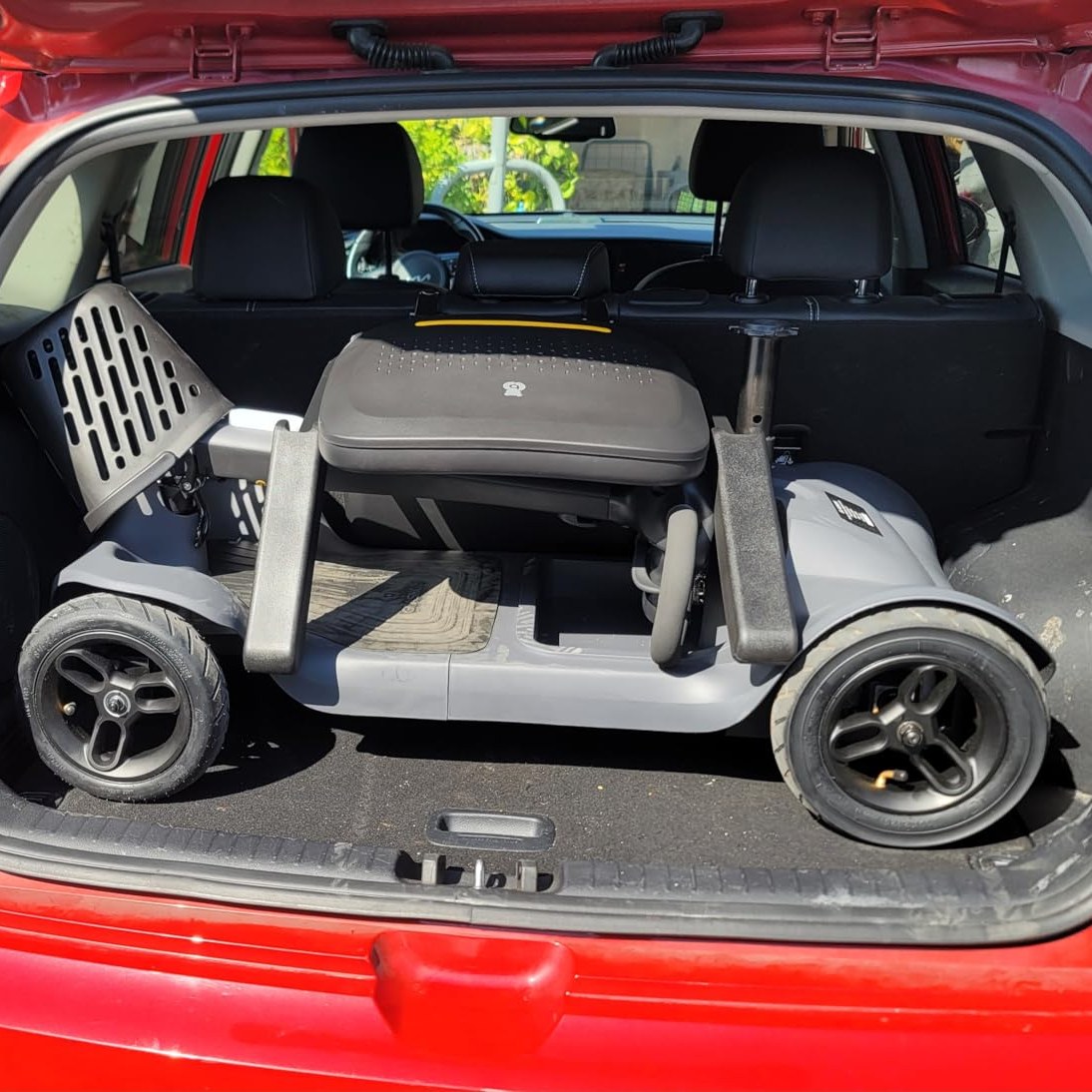
If you're planning to take your scooter in the car for errands or family visits, weight becomes crucial. A lighter scooter means easier loading and less strain on caregivers or family members who might help.
Range and Battery Life
Consider your typical outings. Do you need something for quick trips around the neighborhood, or do you want the freedom to spend an entire day at a festival or theme park? Battery range varies significantly between models.
Stability and Comfort
With neuropathy affecting your sensation and balance, you want a scooter that feels stable and secure. Look for models with a low center of gravity and comfortable seating that supports you properly.
At Glashow, we've designed our scooters with exactly these considerations in mind. Let me show you how our two models compare:
| Feature | Glashow S1 | Glashow S3 |
|---|---|---|
| Price | $899 | $1,299 |
| Weight | 96.9 lbs | 70.48 lbs |
| Battery Type | Lead-Acid | Lithium |
| Design | Detachable | Foldable |
| Range | Standard | Up to 25 miles |
| Best For | Budget-conscious buyers, primarily home use | Active users, frequent travelers |
| Frame Warranty | 5 Years | 5 Years |
The Glashow S1 offers an excellent entry point for those who need reliable mobility assistance primarily around home and for shorter outings. Its detachable design makes transport manageable, and the price point makes independence accessible.
For those with more active lifestyles or who need maximum portability, the Glashow S3 is a remarkable option. At just over 70 pounds with a foldable design, it's one of the most travel-friendly scooters available. That 25-mile range means you can tackle all-day adventures without range anxiety, and the lithium battery charges faster and lasts longer than traditional lead-acid options.
Tips for Staying Active with Diabetic Neuropathy and a Mobility Scooter
Having a mobility scooter is just the first step. Here's how to make the most of your newfound freedom:
Create a Balanced Approach
Use your scooter strategically. Maybe you ride to the park but then do some gentle walking on safe, even paths. The scooter handles the unpredictable terrain and distance, while you still incorporate movement that's good for your overall health.
Plan Your Outings
Check ahead for accessibility features at your destinations. Most public spaces are now quite accommodating, but knowing where ramps, accessible restrooms, and smooth paths are located helps you feel confident.
Stay Connected with Your Healthcare Team
Your doctors and physical therapists can help you create a plan that incorporates your mobility scooter into an overall wellness strategy. They may have specific recommendations for exercises you can do to maintain strength and flexibility.
Don't Wait Too Long
One of the biggest mistakes people make is waiting until they're completely unable to walk before considering a mobility scooter. Starting earlier, when you can still walk some but are limiting activities due to neuropathy symptoms, actually helps preserve your remaining mobility longer.
Frequently Asked Questions
Will using a mobility scooter make my diabetic neuropathy worse?
No, quite the opposite is often true. A mobility scooter allows you to stay active and engaged while protecting your feet from overexertion and injury. The key is to use it as a tool that enables activity, not as a reason to stop all movement. Many people find they're actually more active overall because they can participate in outings they would otherwise skip.
Does Medicare or insurance cover mobility scooters for diabetic neuropathy patients?
Medicare Part B may cover mobility scooters if your doctor certifies that you have a medical need and the scooter is necessary for use inside your home. Coverage varies by plan and situation, so check with your insurance provider. Even if coverage is limited, options like Klarna financing with 0% APR make quality scooters like the Glashow S1 and S3 accessible through manageable monthly payments.
How do I know if my neuropathy is severe enough to need a mobility scooter?
If diabetic neuropathy is causing you to limit activities you used to enjoy, avoid social situations, or feel anxious about falling during everyday tasks, it's worth considering a mobility scooter. You don't need to be completely unable to walk — in fact, starting earlier often leads to better outcomes. Talk with your healthcare provider about whether a scooter might help you maintain your quality of life.
Can I travel with a mobility scooter if I have diabetic neuropathy?
Absolutely! Modern portable scooters are designed with travel in mind. The Glashow S3, for example, folds easily and weighs just 70.48 pounds, making it practical for car trips and even airline travel (check with your specific airline for their policies). This means family vacations, visiting grandchildren, and exploring new places remain possible.
What features should diabetic neuropathy patients look for in a mobility scooter?
Prioritize stability, comfortable seating that reduces pressure points, easy-to-use controls (especially important if you have any neuropathy in your hands), and a design that fits your lifestyle. For travel and flexibility, a lightweight foldable model like the Glashow S3 is ideal. Both Glashow models feature intuitive controls and stable designs that provide confidence for users with neuropathy.
Take the First Step Toward Renewed Freedom
Diabetic neuropathy may have changed how you get around, but it doesn't have to shrink your world. A quality mobility scooter gives you back the freedom to live life on your terms — attending grandchildren's soccer games, exploring local festivals, shopping for your own groceries, or simply enjoying a beautiful day outside.
At Glashow, we're proud to be featured in USA Today and trusted by Americans who want quality, reliability, and true independence. Both our S1 and S3 models come with a 5-year frame warranty, free shipping anywhere in the US, and a 30-day money-back guarantee because we believe you should feel confident in your purchase.
Ready to reclaim your independence? Explore the Glashow S1 or Glashow S3 today. And with Klarna's 0% APR financing available, you can spread the cost into easy payments that fit your budget. Your next adventure is waiting — let's help you get there.