

Best Mobility Scooters for Cruise Ships: What You Need to Know
Picture this: the sun warming your face as you glide along a pristine deck, the ocean stretching endlessly toward the horizon, and not a single worry about keeping up with your travel companions. If you've been dreaming about that cruise vacation but wondering how you'll navigate those massive ships, a mobility scooter cruise ship adventure might be exactly what you need. The good news? With the right preparation and the right scooter, cruising can be one of the most accessible and enjoyable ways to travel.
I've talked with countless folks who thought their cruising days were behind them — until they discovered how mobility-friendly modern cruise ships have become. Today, we're going to walk through everything you need to know about bringing your scooter aboard, what features matter most, and how to make your voyage smooth sailing from start to finish.
Why Cruise Ships Are Actually Perfect for Mobility Scooter Users
Here's something that might surprise you: cruise ships are often more accessible than many land-based vacation options. Think about it — no cobblestone streets, no steep hills, and everything you need is right there on the ship. Modern cruise vessels are required to meet accessibility standards, which means wide corridors, accessible elevators, and ramps throughout the ship.
The floating resort concept means you unpack once and wake up in new destinations. No lugging your scooter in and out of rental cars or navigating unfamiliar airports every few days. Your cabin becomes your home base, and the ship does all the moving for you.
That said, not all mobility scooters are created equal when it comes to cruise travel. Size, weight, and maneuverability become crucial factors when you're dealing with cabin doorways, elevator capacity limits, and gangway access at ports of call.
Essential Features to Look for in a Cruise-Friendly Mobility Scooter
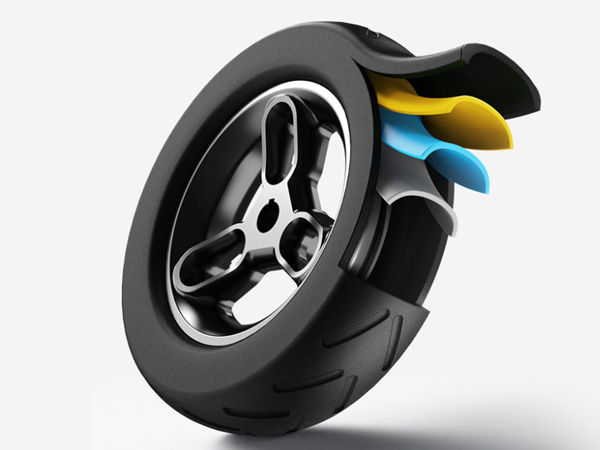
When you're shopping for a scooter that'll be your trusty companion at sea, certain features jump from "nice to have" to "absolutely essential." Let me break down what really matters:
Compact Size and Turning Radius: Cruise ship cabins aren't known for their spaciousness, especially on older vessels or in interior staterooms. You'll need a scooter that can navigate tight corners and fit through standard doorways (typically 32 inches wide). A tight turning radius — ideally under 50 inches — will save you countless three-point turns in narrow corridors.
Lightweight and Portable Design: Here's the reality: you'll likely need to store your scooter in your cabin or on your balcony. Some cruise lines have limited storage for larger mobility devices. A lighter scooter also makes boarding and disembarking at tender ports much easier. Look for models under 100 pounds if possible.
Battery Type Matters More Than You Think: Cruise lines have specific rules about batteries. Lithium batteries are generally preferred because they're lighter, charge faster, and most importantly — they're typically approved for air travel if you're flying to your departure port. Lead-acid batteries, while more affordable, are heavier and may face more restrictions.
Adequate Range: Those ships are big, friends. Really big. The largest cruise ships are over a quarter-mile long. Add in port excursions where you might explore a historic district or waterfront area, and you'll want a scooter with at least 15-20 miles of range to comfortably handle a full day without range anxiety.
Foldable or Disassemblable: Whether it's fitting in a ship's elevator, storing in your cabin, or checking as luggage on your flight to the port, the ability to make your scooter more compact is invaluable.
Comparing the Best Options: Glashow S1 vs. S3 for Cruise Travel
At Glashow, we designed our scooters with real-world travel in mind. Both the S1 and S3 models are excellent choices for cruisers, but they serve slightly different needs. Let's compare them side by side:
| Feature | Glashow S1 | Glashow S3 |
|---|---|---|
| Price | $899 | $1,299 |
| Weight | 96.9 lbs | 70.48 lbs |
| Battery Type | Lead-Acid | Lithium |
| Portability | Detachable components | Foldable design |
| Range | Up to 15 miles | Up to 25 miles |
| Best For | Budget-conscious cruisers driving to port | Frequent travelers flying to embarkation |
| Warranty | 5-year frame warranty | 5-year frame warranty |
The Glashow S1 is our most affordable option and works beautifully for cruisers who drive to their departure port. Its detachable design means you can break it down for easier transport, and the lead-acid battery keeps costs down. At $899, it's an accessible entry point for those new to mobility scooters.
For the serious cruise enthusiast — especially those flying to meet their ship — the Glashow S3 is the clear winner. At just 70.48 pounds with its airline-approved lithium battery, it's built for travel. The foldable design means it fits in airplane overhead bins on some carriers or checks easily as luggage. Plus, that 25-mile range gives you freedom to explore ports of call without constantly watching your battery indicator.
Tips for a Smooth Mobility Scooter Cruise Experience
Now that you know what to look for in a scooter, let's talk strategy for making your cruise experience as seamless as possible:
Book Early and Communicate: Contact the cruise line's accessibility department before booking. Let them know you'll be bringing a mobility scooter and ask about cabin recommendations. Accessible cabins often book up quickly, so don't wait.
Request Accessible Shore Excursions: Many cruise lines now offer wheelchair and scooter-accessible excursions at popular ports. These tours account for your mobility needs and can make the difference between watching from the ship and actually experiencing your destinations.
Charge Strategically: Bring a power strip (surge-protected, as most cruise lines require) and charge your scooter during dinner or evening shows. This way, you're always ready for the next day's adventures.
Consider Gangway Challenges: At tender ports where you board small boats to reach shore, scooter access can be limited or impossible depending on sea conditions. Have a backup plan — many cruisers rent wheelchairs or walkers for these ports or simply enjoy the ship while it's less crowded.
Know the Weight Limits: Ship elevators typically have weight limits around 2,500-3,000 pounds. During busy times, you might need to wait for a less crowded elevator. Build extra time into your schedule, especially when heading to dinner or shows.
Frequently Asked Questions About Mobility Scooters on Cruise Ships
Do cruise lines allow mobility scooters on board?
Yes, all major cruise lines accommodate mobility scooters. However, each line has specific policies regarding size limits, battery types, and storage. Royal Caribbean, Carnival, Norwegian, and other major lines all welcome scooter users but require advance notification. Contact the accessibility department at least 60-90 days before your sailing to ensure smooth boarding.
Can I rent a mobility scooter on a cruise ship?
Most cruise lines don't rent scooters directly, but you can arrange rentals through third-party companies that deliver to the port. However, renting often costs $300-500 per week, and you might get an older, less reliable model. For frequent cruisers, owning your own scooter — like the Glashow S1 or S3 — often makes more financial sense and ensures you have a scooter you know and trust.
Will my mobility scooter fit in a cruise ship cabin?
Standard interior cabins can be tight for larger scooters. We recommend booking an accessible cabin whenever possible, as these feature wider doorways (typically 36 inches), more floor space, and roll-in showers. If an accessible cabin isn't available, a balcony cabin gives you extra storage space on the balcony itself. Foldable models like the Glashow S3 are particularly cabin-friendly.
Are lithium battery scooters allowed on cruise ships?
Yes, lithium batteries are generally permitted and often preferred by cruise lines because they're safer and more stable than older battery technologies. The key requirement is that batteries must be under 300 watt-hours for most airlines and cruise lines. The Glashow S3's lithium battery meets these requirements, making it ideal for cruise travel, especially when flying to your departure port.
What happens to my scooter during emergency drills?
During muster drills (the mandatory safety briefings), you'll typically attend at your assigned station just like other passengers. Crew members are trained to assist passengers with mobility devices. Your scooter should be stored in your cabin during drills. Let crew members know about your mobility needs, and they'll ensure you're positioned appropriately and know the emergency procedures specific to your situation.
Set Sail with Confidence
A mobility scooter opens up a world of cruise possibilities that you might have thought were behind you. From Alaska's glaciers to Caribbean beaches to Mediterranean ports, the right scooter makes all the difference between watching from the sidelines and being part of the adventure.
Both the Glashow S1 and Glashow S3 were designed by Americans who understand what real travelers need — reliability, portability, and the freedom to explore on your own terms. With our 5-year frame warranty and 30-day money-back guarantee, you can book that cruise knowing your mobility needs are covered.
Ready to start planning your cruise adventure? Browse our collection today, and remember — with Klarna's 0% APR financing, you can split your purchase into easy payments while you're busy picking out your shore excursions. Free shipping anywhere in the United States means your new scooter arrives at your door, ready for your next voyage.
Fair winds and following seas, friends. Your next adventure is waiting.