
COPD and Mobility Scooters: How to Stay Active with Breathing Issues
Living with COPD doesn't mean your life has to shrink. If you've been diagnosed with chronic obstructive pulmonary disease, you already know how exhausting simple tasks can become — walking to the mailbox, strolling through the grocery store, or visiting with grandkids at the park. But here's some good news: a mobility scooter for COPD and breathing challenges can genuinely transform your daily life, helping you conserve precious energy while staying connected to the activities and people you love.
I've talked with countless folks who thought they had to choose between pushing through breathlessness or staying home. The truth is, there's a better path. Let's explore how the right mobility solution can help you breathe easier — literally and figuratively.

Understanding the COPD-Mobility Connection
COPD affects more than 16 million Americans, and that number doesn't account for the millions more who remain undiagnosed. Whether you're dealing with emphysema, chronic bronchitis, or another form of COPD, the core challenge remains the same: your lungs can't move air as efficiently as they once did.
Here's what many people don't realize: walking is one of the most oxygen-demanding activities we do. Even a short stroll requires your heart and lungs to work significantly harder than when you're sitting. For someone with healthy lungs, this isn't a problem. But when you have COPD, that increased demand can trigger breathlessness, fatigue, and the anxiety that often accompanies the feeling of not getting enough air.
This creates a frustrating cycle. You avoid physical activity because it makes breathing difficult. But reduced activity leads to muscle deconditioning, which makes everything harder. Your world gradually gets smaller — fewer outings, less time with friends and family, and a growing sense of isolation.
A mobility scooter breaks this cycle. Instead of using all your energy just getting from point A to point B, you can save that energy for the moments that matter — playing with grandchildren, browsing your favorite store, or simply enjoying fresh air at the park.
Why Mobility Scooters Are Ideal for COPD Patients
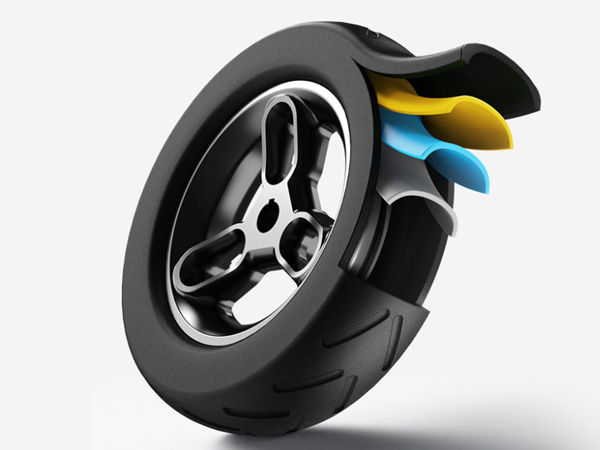
Unlike wheelchairs that require upper body effort or walkers that still demand significant exertion, mobility scooters let you travel distances with minimal physical strain. This matters tremendously when every breath counts.
Energy Conservation: Pulmonary rehabilitation specialists often teach COPD patients about energy conservation — prioritizing where you spend your limited reserves. A mobility scooter is perhaps the ultimate energy conservation tool. You arrive at your destination ready to engage, not gasping for breath.
Maintaining Independence: There's something deeply important about being able to go where you want, when you want. Many COPD patients tell me that losing independence felt worse than the diagnosis itself. A reliable scooter gives that independence back.
Supporting Overall Health: It might seem counterintuitive, but using a scooter can actually support better health outcomes. When you're not exhausted from walking, you're more likely to get out of the house, socialize, and engage in light activities that benefit both body and mind.
Reducing Anxiety: COPD often comes with significant anxiety about breathing. Knowing you have a reliable way to rest while still moving forward can reduce that background stress considerably.
Choosing the Right Scooter When You Have Breathing Issues
Not all mobility scooters are created equal, and when you're managing COPD, certain features become especially important. Here's what to look for:
Weight Matters: If you're lifting your scooter into a vehicle or maneuvering it around your home, every pound counts. Heavier scooters will leave you more winded before you even start your outing. Look for lightweight options, particularly if you plan to transport your scooter frequently.
Easy Controls: When breathing is difficult, you don't want to struggle with complicated controls. Simple, intuitive operation means less stress and less physical effort.
Comfortable Seating: Good posture supports better breathing. A comfortable, supportive seat helps keep your airways open and reduces the fatigue that comes from poor positioning.
Reliable Range: Running out of battery far from home is stressful for anyone, but for COPD patients, it can trigger genuine breathing difficulties. Choose a scooter with range to spare.
Portability: Whether it folds or disassembles, your scooter should be easy to transport. The Glashow S3 folds in just three seconds — perfect for when you need to conserve energy for what matters most.
Comparing Your Options: Glashow S1 vs. S3
At Glashow, we've designed two scooters that work beautifully for folks managing breathing issues. Here's how they compare:
| Feature | Glashow S1 | Glashow S3 |
|---|---|---|
| Price | $899 | $1,299 |
| Weight | 96.9 lbs | 70.48 lbs |
| Battery Type | Lead-Acid | Lithium |
| Design | Detachable | Foldable (3 seconds) |
| Range | Up to 15 miles | Up to 25 miles |
| Best For | Home use, shorter trips | Travel, longer outings |
| Warranty | 5-Year Frame | 5-Year Frame |
For COPD patients who travel frequently or need maximum range between charges, the Glashow S3 is often the better choice. Its lighter weight (over 25 pounds less than the S1) means less strain when loading it into your vehicle, and the 25-mile range provides peace of mind for longer outings.
The Glashow S1 remains an excellent value-focused option, particularly if you'll primarily use your scooter around the neighborhood or at local stores. Its detachable design breaks down into manageable pieces for transport.
Real-World Tips for Using Your Scooter with COPD
Once you have your mobility scooter, here are some practical tips from fellow COPD patients:
Plan Your Outings: Check weather conditions before heading out. Extreme heat, cold, or humidity can make breathing more difficult. Many COPD patients find early morning or evening outings more comfortable.
Bring Your Supplies: Keep your rescue inhaler accessible — perhaps in a small bag attached to your scooter. Many people also carry water to stay hydrated.
Pace Yourself: Even with a scooter, you'll still need to walk short distances. Take your time, use pursed-lip breathing, and don't hesitate to rest.
Keep It Charged: Make charging your scooter part of your routine. A fully charged battery means one less thing to worry about.
Talk to Your Doctor: Your pulmonologist or respiratory therapist can offer personalized advice about activity levels and mobility aids. Many actively encourage patients to use scooters to maintain quality of life.
Frequently Asked Questions
Will using a mobility scooter make my COPD worse?
No — in fact, the opposite is often true. By conserving energy during travel, you may actually be more able to engage in the light activities your doctor recommends. Many pulmonary rehabilitation specialists support mobility scooter use as an energy conservation strategy. The goal is keeping you active and engaged, not exhausted before you arrive anywhere.
Can I take my mobility scooter to medical appointments?
Absolutely. Mobility scooters are welcome in medical facilities, and they can make long hospital corridors much more manageable. The Glashow S3's compact fold makes it particularly easy to bring along, and it fits in most vehicle trunks. Many patients tell us their scooter makes the difference between dreading appointments and managing them comfortably.
Will Medicare or insurance cover a mobility scooter for COPD?
Medicare Part B may cover mobility scooters as durable medical equipment if your doctor certifies medical necessity. Coverage varies by plan and individual circumstances. We recommend contacting your insurance provider directly. If coverage isn't available or you prefer to purchase independently, Glashow offers Klarna financing with 0% APR, making quality mobility accessible regardless of insurance status.
How do I transport a mobility scooter if I use supplemental oxygen?
Many COPD patients successfully use both supplemental oxygen and mobility scooters. Portable oxygen concentrators can be carried in a bag on your scooter, and some patients install small baskets or pouches specifically for this purpose. The key is keeping your oxygen accessible while keeping your hands free for scooter controls. The Glashow S3's 70.48-pound weight also leaves room in your vehicle for oxygen equipment.
What if the mobility scooter doesn't work for me?
We understand that every COPD patient's situation is different. That's why Glashow offers a 30-day money-back guarantee on all our scooters. You can try your S1 or S3 in your daily life, see how it affects your breathing and energy levels, and return it if it's not the right fit. We want you confident in your decision.
Take Your Next Breath of Freedom
Living with COPD requires constant adaptation, but it doesn't require giving up the life you love. A quality mobility scooter can be the bridge between limitation and liberation — helping you conserve energy for the moments and people that matter most.
At Glashow, we're proud to be featured in USA Today and trusted by thousands of Americans seeking reliable, thoughtfully designed mobility solutions. Both our S1 and S3 come with a 5-year frame warranty and free shipping anywhere in the United States.
Ready to breathe easier while staying active? Explore the Glashow S1 or the Glashow S3 today. With Klarna's 0% APR financing, you can start reclaiming your independence now and pay over time — no added cost. And with our 30-day money-back guarantee, you've got nothing to lose but the limitations holding you back.
Your lungs may have changed, but your spirit hasn't. Let's keep you moving.